The art of accessorising is the art of subtraction. How to choose one true object over many — the single earring, the considered bag, the watch worn for years.
There is an old discipline, attributed to more than one elegant woman, of dressing fully and then removing one thing before leaving the house. It is good advice as far as it goes — but the deeper art is never to have put the excess on at all. To accessorise well is to subtract before you add: to choose one true object and let it carry the whole.
One object, fully meant
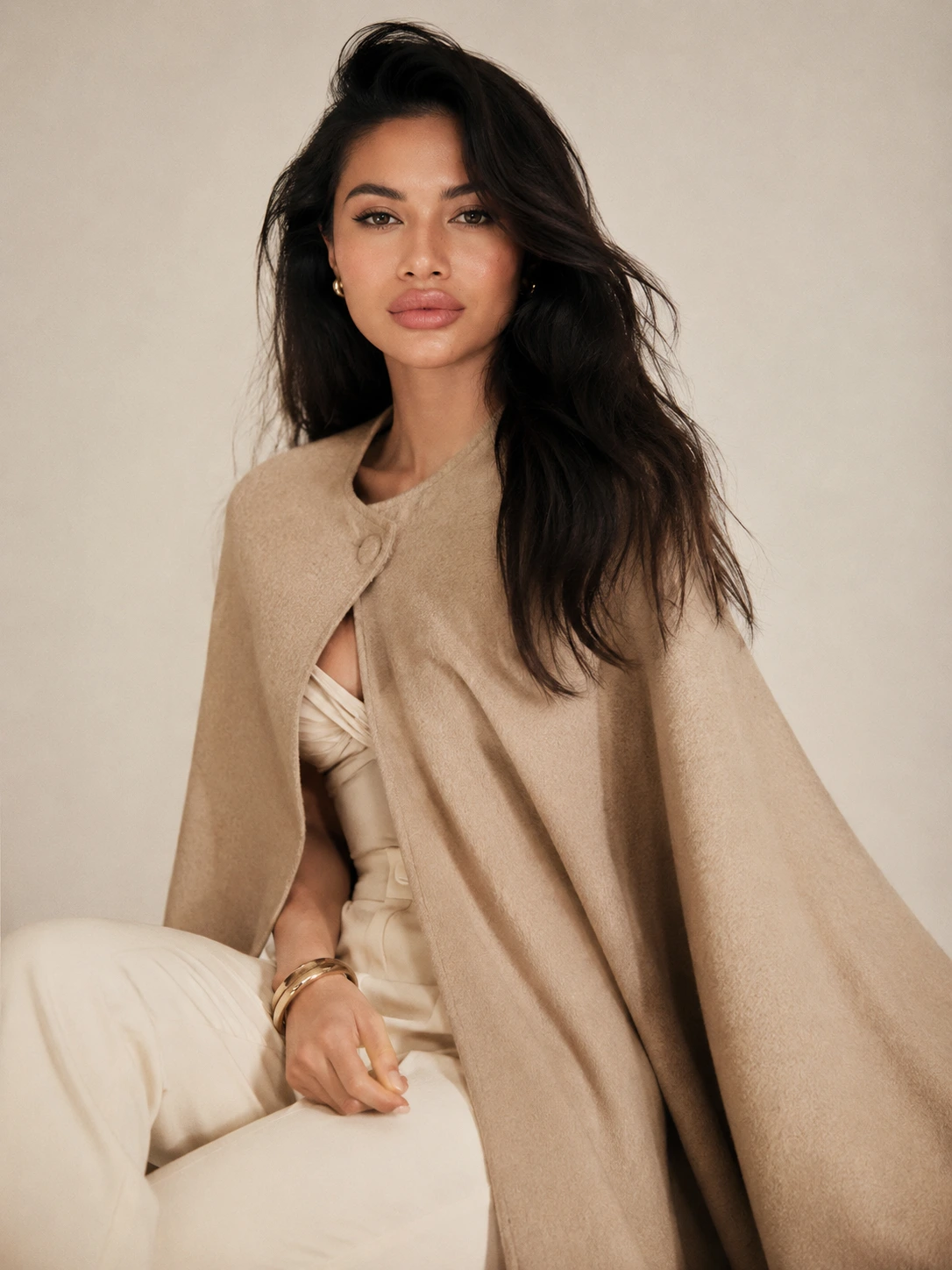
A single gold cuff, worn every day until it knows the shape of your wrist, says more than a stack of bangles bought in a hurry. A pair of pearl studs you have owned for a decade carries a quiet authority no statement earring can borrow. The piece need not be large or rare. It needs only to be chosen — and then committed to, so that it becomes less an accessory than a signature, a thing your friends would recognise on a table without your hand beside it.
“An accessory should be the period at the end of a sentence — not three exclamation marks competing to be heard.”
Yaya, Founder & Creative Director
The rule of the single focal point
The eye can rest on one bright thing at a time. Give it two and it grows restless; give it three and the outfit begins to argue with itself. Choose, then, where the attention should land, and clear the rest of the field.
- If the earrings speak, let the neck stay bare.
- If the bag is the object of the day, keep the jewellery to a thread of gold.
- If the shoe is sculptural, let the rest of the outfit be a quiet backdrop for it.
- Never let metal fight metal: choose gold or silver for the day and stay loyal to it from ear to wrist.
- A watch is the one piece exempt from the count — worn long enough, it reads as part of the hand, not an addition to it.
Texture is an accessory too
We forget that the surfaces of an outfit accessorise it as surely as any object. A grosgrain ribbon at the waist, a length of raw silk knotted at the throat, the contrast of a matte wool against a glove of fine leather — these are ornaments that ask nothing and give much. In a wardrobe built on restraint, texture often does the work that jewellery does elsewhere, and does it more quietly. Learn to read your outfit's surfaces before you reach for the jewellery box; you may find the piece already complete.
Buy slowly, wear forever
The economy of restraint is generous in the end. One fine bag carried for ten years costs less, by the wearing, than five fashionable ones discarded in two. The same is true of jewellery: a single well-made object, chosen with care and kept for life, becomes part of your story in a way nothing bought in volume ever can. Accessorise, then, the way you would furnish a room you intend to grow old in — slowly, deliberately, and with a strong preference for the few things you truly love over the many you merely like.
The most accessorised woman in the room is rarely the most adorned. She is the one whose single object you cannot stop looking at — and cannot, afterward, quite forget.