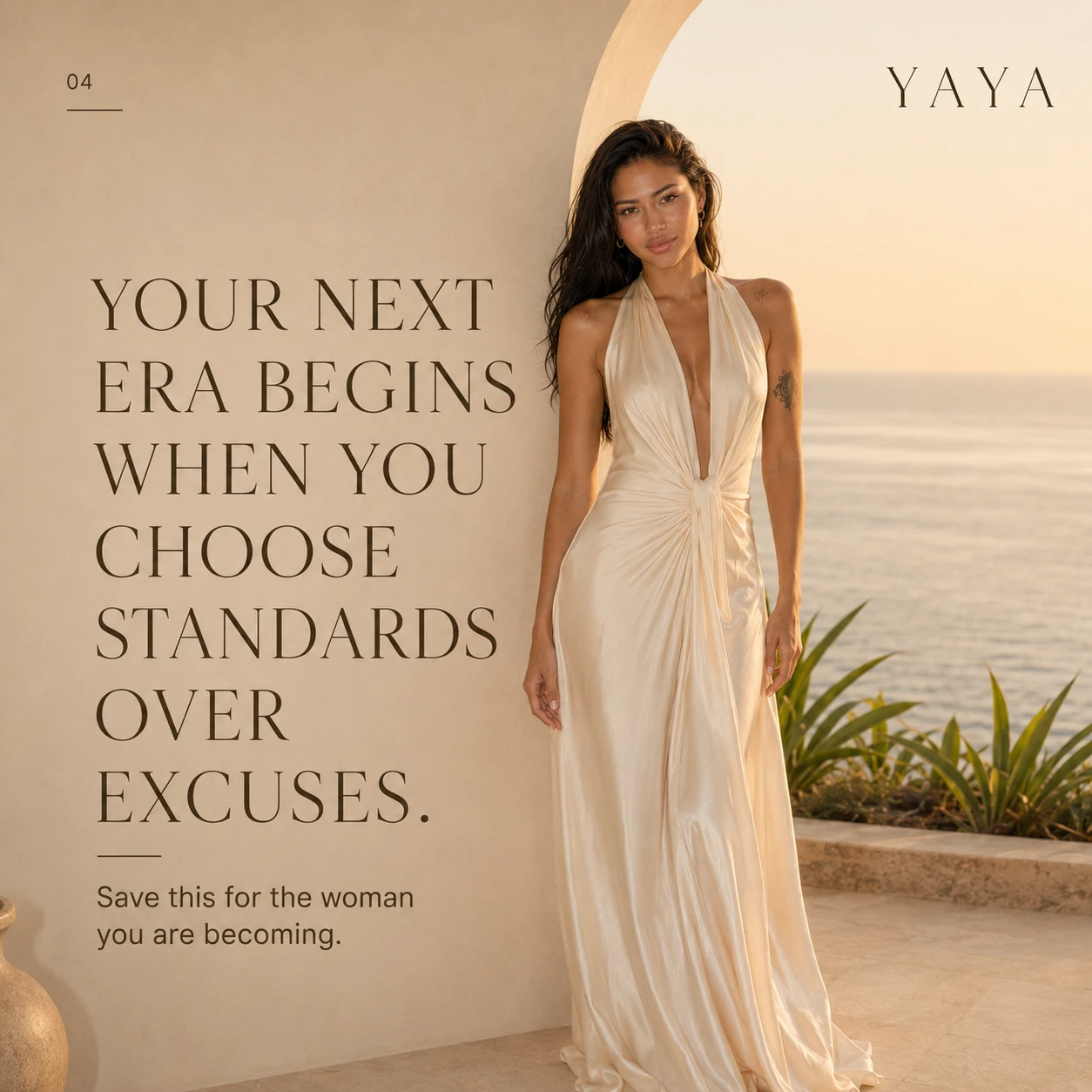
A method for the capsule wardrobe — twelve pieces that multiply into a season. How to choose anchors, the rule of the third outfit, and what to leave on the rail.
A capsule wardrobe is not an exercise in deprivation. It is an exercise in clarity. The goal is not to own less for its own sake, but to own only what answers to you — pieces that combine without thought, so that getting dressed becomes the first calm decision of the day rather than the first negotiation.
We build ours around twelve. Not a magic number, but a useful one: small enough to hold in the mind, large enough to carry a woman from a morning at the desk to dinner without a costume change. Twelve pieces, chosen well, yield more outfits than thirty chosen by impulse.
Begin with the anchors
Every capsule rests on three or four anchors — the pieces every other garment must agree with. A pair of trousers cut to your exact rise. A coat in a neutral that flatters your skin in daylight. A knit that you reach for when the morning is undecided. These are bought first, bought best, and replaced last. If an anchor is wrong, nothing built on it will sit right.
- One pair of tailored trousers — camel, ivory or charcoal — with a clean break over the shoe.
- One coat that closes the whole wardrobe: a wool wrap, a fluid trench, or a cashmere cocoon.
- One fine-gauge knit in a colour that reads as a second skin against your own.
- One white shirt, cut generously enough to wear open over the slip and closed under the coat.
The rule of the third outfit
Here is the discipline that keeps a capsule honest. Before any new piece enters the wardrobe, name three outfits it makes with things you already own. Not three occasions — three complete looks, head to hem, shoe to shoulder. If you cannot reach three before the second cup of tea has gone cold, the piece is not for this wardrobe. It is a beautiful orphan, and orphans crowd the rail and quiet the morning.
“A wardrobe should feel like a sentence, not a list. Every word earns its place, and removing one would change the meaning.”
Yaya, Founder & Creative Director
What to leave on the rail
The hardest part is restraint at the point of temptation — the piece that is lovely but lonely, that flatters in the fitting room and confounds at home. Leave the trend that has no anchor. Leave the colour you admire on another woman but that drains your own face. Leave the second version of something you already own well. A capsule grows by subtraction as often as addition; editing is the quiet work that makes the choosing easy.
Let texture do the colour's work
When the palette is narrow — and in a true capsule it should be — texture becomes the source of interest. The matte of brushed wool beside the dry lustre of raw silk. A waffled linen against a liquid cashmere. Dressed in three shades of ivory, a woman is never monotonous if the surfaces converse. This is why we obsess over the hand of a cloth before its hue: in a restrained wardrobe, the fingertips do what a louder colour would do elsewhere.
Begin, then, not by shopping but by counting. Lay everything you own across the bed. Keep what makes three outfits and brings you peace; rehome the rest with grace. What remains is the beginning of a capsule — and the start of a wardrobe that, at last, thinks for you.