A limited palette, a handful of fabrics, a refusal to chase the trend. Why working within strict constraints produces more original design, not less.
The myth of the designer is a person of boundless freedom, with every colour, every fabric, every shape available, conjuring beauty from infinite possibility. The reality of good design is almost the reverse. The best work tends to come from inside tight constraints — a small palette, a few materials, a clear set of rules the designer refuses to break. Restraint is not the enemy of creativity. It is, very often, its precondition. A blank page paralyses; a frame frees.
Why infinite choice is the enemy of good design
Give a designer every colour and the result is rarely richer; it is usually muddled. Total freedom removes the friction against which ideas sharpen — when anything is allowed, nothing is necessary, and the work loses its spine. A constraint, by contrast, forces invention. Told to use only three tones, a designer must find depth in texture and proportion instead of reaching for a fourth colour. The limitation does not shrink the work. It pushes the creativity into deeper, less obvious places, and those are usually the better ones.
The constraints a quiet house chooses on purpose
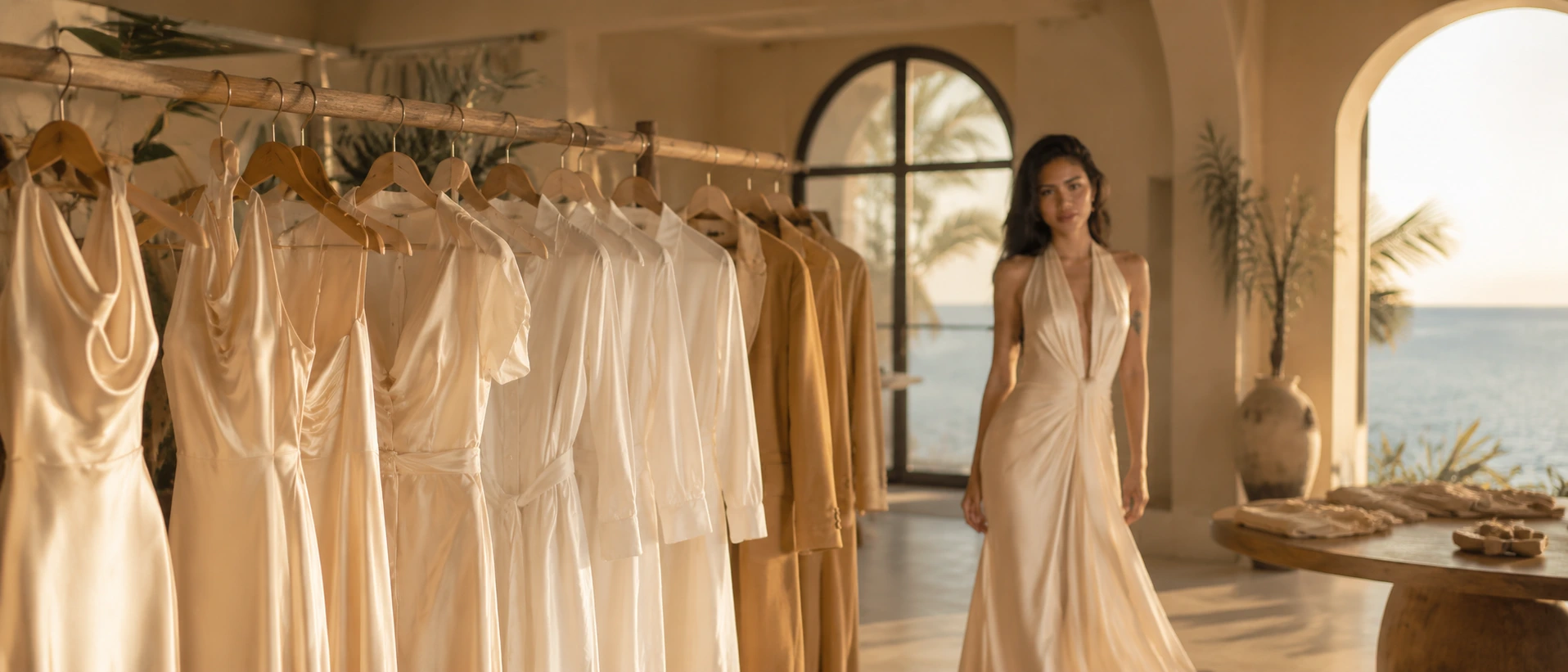
- A palette held to a single warm family of neutrals, season after season, never broken for novelty.
- A short list of natural fibres — Thai silk, linen, cashmere — and a refusal of synthetics, however convenient.
- A small number of silhouettes returned to and refined rather than reinvented each season.
- A pace set by the cloth and the hand, not by the fashion calendar — fewer pieces, made slowly, kept long.
Restraint as a signature
When a house holds its constraints over time, they stop being limitations and become an identity. You can recognise the work across a room precisely because so much has been ruled out — the same family of colour, the same honest cloth, the same calm proportion, recurring like a handwriting. A designer who chases every trend has no signature, because the signature is exactly the set of things one refuses to do. Constancy, in the end, is more distinctive than novelty, because anyone can be new but only a disciplined house can be itself, repeatedly, for years.
“Give me everything and I will make something forgettable. Give me three colours and one cloth and tell me I may not leave them, and I will make something only I could have made.”
Yaya, Founder & Creative Director
What the wearer gains from the designer's discipline
Restraint at the source becomes ease at the wardrobe. Because the house works within a fixed frame, everything it makes already agrees with everything else — a coat from one season belongs beside a trouser from another, since both obey the same rules. The woman who buys into a restrained house is not assembling a chaos of competing pieces; she is building a coherent wardrobe almost without effort. The designer's constraint becomes the wearer's freedom from the daily small agony of things that do not go together.
The hardest discipline: leaving the good idea out
The true test of working within restraint is not refusing bad ideas — anyone can do that. It is refusing good ones that do not belong. The beautiful blue that would be lovely but breaks the palette. The clever detail that would impress but disturbs the calm. The trend that is genuinely appealing this season and will look dated the next. Holding the frame means letting go of attractive things for the sake of a coherent whole, and that requires a confidence that borders on stubbornness. It is the rarest and most valuable discipline a designer can have.
So the next time a wardrobe or a collection strikes you as effortlessly right, look for what is missing as much as what is present. The clashing colour that was never allowed in. The trend that was let pass. The fifty extra pieces that were never made. That elegance is not the product of freedom but of refusal — the long, patient discipline of a designer who understood that the frame is not the cage. It is the thing that lets the work, finally, be free.